
Tags
Multipolar Post-Literacy?
I grew up with books. And one day, I started contributing some words of my own. It’s more than what I do, it’s who I am. Somewhere along the way, I was mildly surprised to learn that many other folks don’t share my level of affection for the written word. Eight years ago, I lamented the new American age of post-literacy. Six years ago, I elegized the remodeling of the elite prep school library—huge spaces, few books. Last year, I was amazed at the results of the Bleak House test, which demonstrated that only 5% of American college English majors are fully literate. The study covered two midwestern universities, but it corresponds with what I’ve seen or read about at Harvard, Columbia, the University of Georgia, Chicago, U.C. San Diego, and other schools. USA Today just ran a piece about the rise of audiobook bookstores. To me, that’s not the same as book bookstores, but in America, we may have to take what we can get.
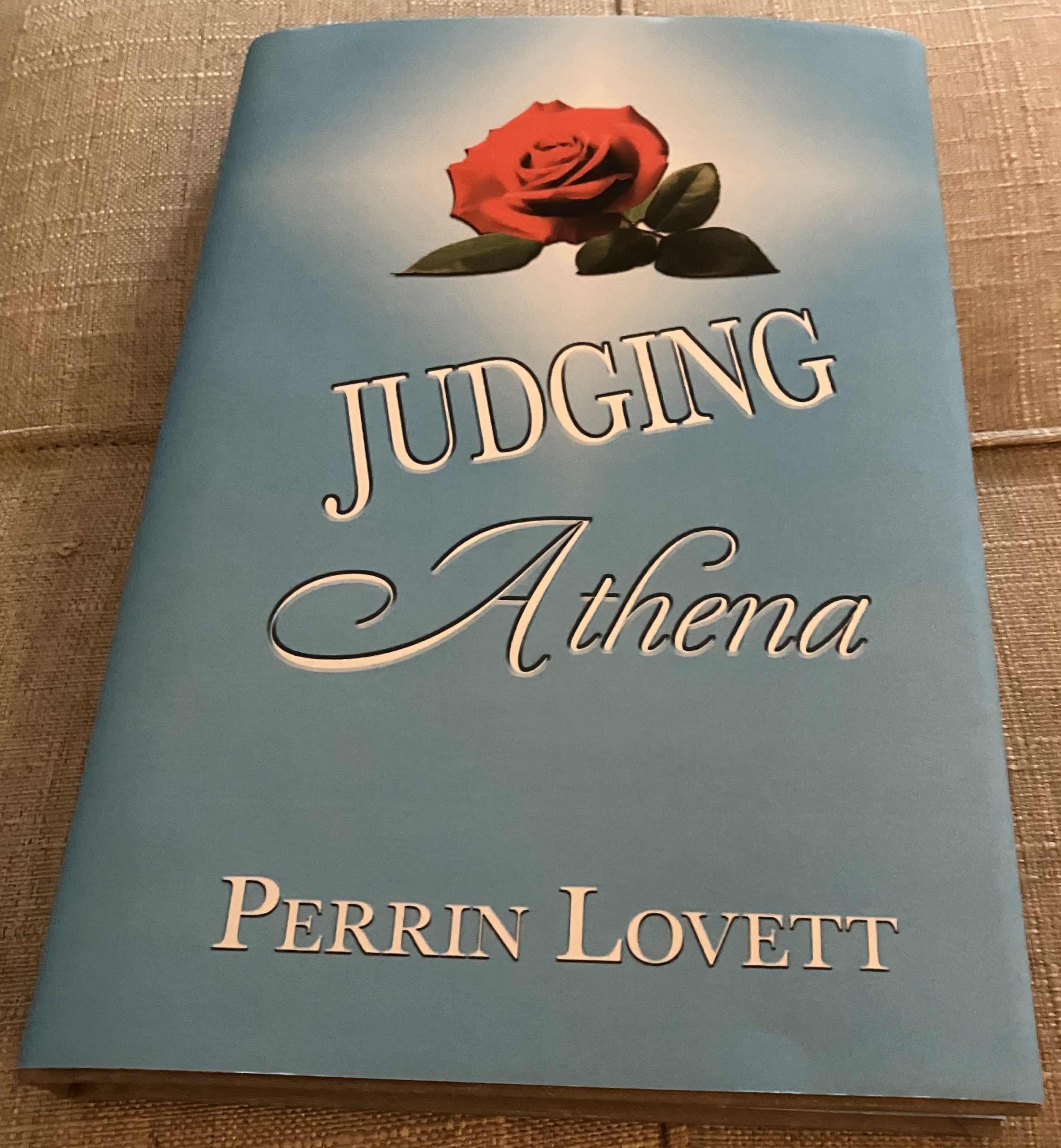
(A random book.)
Lately, I’ve read that the trend may have gone international. Writing in the View (translation may be required), Igor Maltsev declared, “We are no longer people of the book.” Upon describing the works he reads, he then asks what his tastes say about him. His answer? “It doesn’t matter. [My] children, most likely, will not throw away these books when I die; they are still brought up to respect books. But I won’t risk speaking for my grandchildren. And this, in fact, will happen to everyone. Because that world is over. Forever.” In Russia, the land of Tolstoy, Chekhov, and Dostoevsky!
One of his readers wrote in a comment: “The author is right, and it’s sad, just as it’s sad to be an intelligent dinosaur looking at young, fussy, shallow and dull, carnivorous (and ruminant) small mammals. They get under their feet, fuss a lot, know almost nothing and don’t want to know how, but this is their world.” Harsh? Perhaps. Another commenter quickly reminded the first one that the ways of the young have been bemoaned since ancient Greece. That is true; in the 8th century B.C., Hesiod quipped, “I see no hope for the future of our people if they are dependent on the frivolous youth of today.” Though he died at the temple of Zeus long ago, Greece still exists. Greece has changed, of course, but it and its people are still around. So, by historical comparison, there is hope. Still, we must not let our guard down.
If reading is at risk in the American and Russian poles, then we might look to other lands for inspiration. In 2023, I wrote about the little bookstore that refuses to die. Samir Mansour’s store in Gaza has been bombed into rubble again and again by the occupying Zionists. But as of this January, despite constant attacks, despite the murder of his readers and the wrecking of his stock, Mansour endures, books in hand.
In 2024, based on an article I read at IRNA, I looked into a little bookstore in Isfahan, Iran. Dr. Mohammad Shahrestani runs one heck of an operation at the Yara Bookhouse, complete with a snack bar and(!) a philosophy school. His problem, as originally addressed in IRNA, is that big-box discounters and supermarkets undercut the pricing structure for independent bookmen. I suppose that is akin to the Russian conundrum of Ozon and Wildberries hawking titles at bargain-basement prices and the American issue of Amazon killing authors’ profits with ebooks, among other Amazon issues.
But Iranians love books. The Tehran Book Garden, around the corner from the National Library, is the biggest, craziest bookstore I’ve ever heard of. They carry loads of books in many major languages. There, one will find Haruki Murakami’s novels, for example, and they’ve even had him speak in person. A mall of sorts surrounds the bookshelves, with eateries, amusements, and more. And if that’s not enough, they even have a publication office where patrons can print and bind their own books.
Between Yankee freedom-and-democracy bombing sprees, this year, Ensaf News ran several stories about books as bulwarks against strife. In one, they noted, “In times of crisis, books are a safe haven to escape from bitter realities and a solution to raise awareness and align national ideas.” Hear! Hear! In another one, a report on what Iranians are reading at the moment, it was revealed that the Trumpanyahu war for Greater “Israel” has Iranians learning about the other side of the conflict: “The voluminous book Iran and America by John Qazvinian, which has several translations and editions in the market, attracts attention. Probably, now that we have entered into a face-to-face war with the United States, many people who are not very educated would like to know what happened.” If only Americans could do something like that.
The problems in West Asia stem from economic transitions and outside interference. The issues in Russia are somewhat similar, though they might be more a product of changing tastes in formats, say, from paper to screens. All of it is of concern. And much of it lies behind the American troubles, though those are also products of the decline of the average American IQ and the old American culture.
Moving forward, readers and writers may need to adopt new strategies for keeping books in circulation. Technology is available to help us if we can make proper use of it. If you write, then keep writing. If you read, then keep it up. If you like a book, then spread the word. Let’s all adopt Samir Mansour’s attitude that nothing can stop the books. Nothing.
 PERRIN LOVETT
You must be logged in to post a comment.